Acoustic treatment vs soundproofing
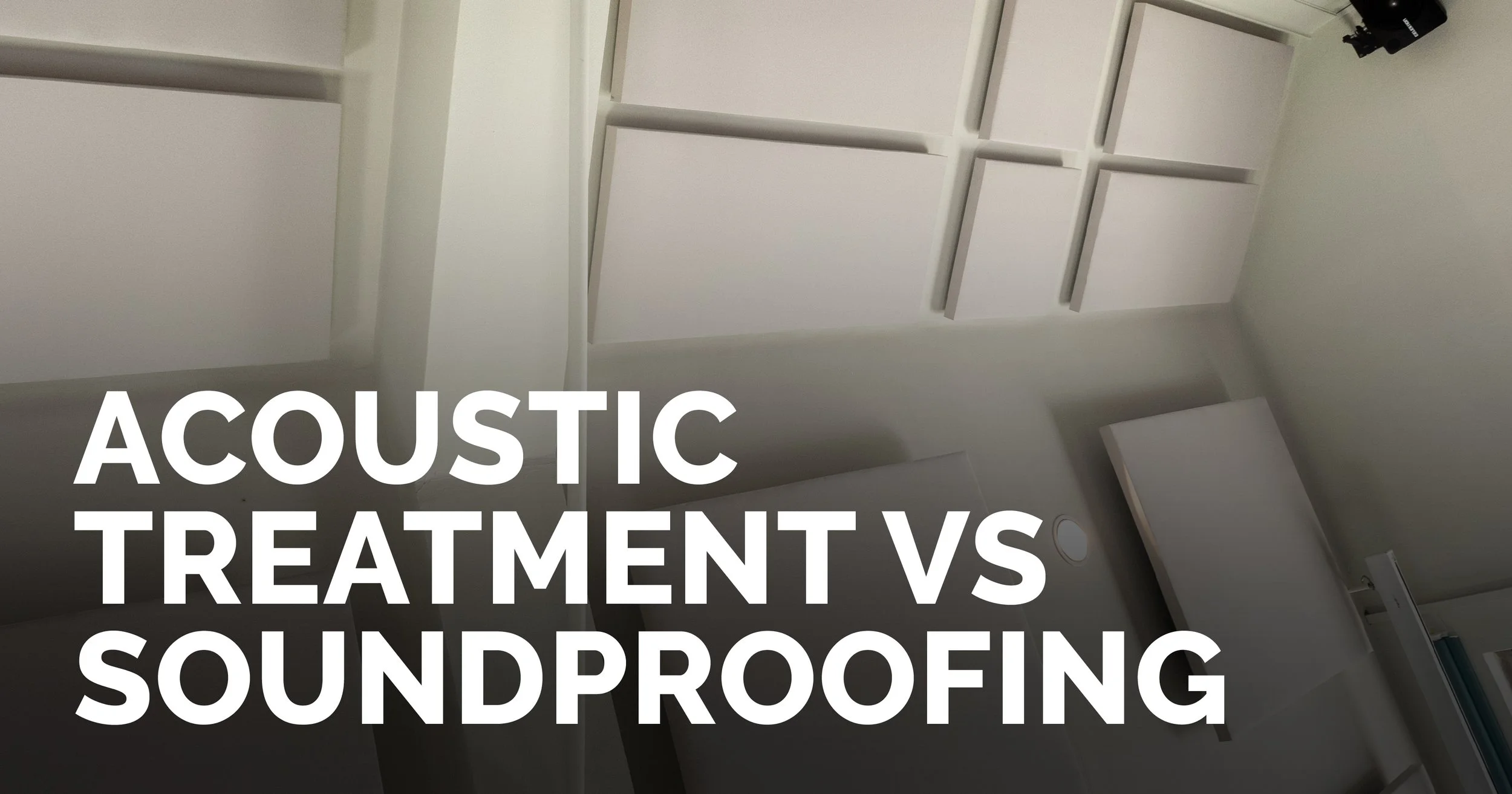
Soundproofing, soundproofing, and soundproofing, it’s a term thrown around across the acoustics industry to describe almost any solution to any sound-related problem. And that’s exactly where the confusion and misinformation.
Stop Confusing Soundproofing and Acoustic Treatment (Here’s Why It Matters).
Soundproofing, also known as acoustic containment, is often mistakenly used as a blanket term for all acoustic solutions. In reality, many of the issues people are trying to solve aren’t about stopping sound from travelling — they’re about improving how sound behaves within a space.
When it comes to enhancing sound in an environment, two terms are often used interchangeably: soundproofing and acoustic treatment. While they may sound similar, they address entirely different challenges. Understanding that difference is key to creating a space that not only sounds better, but feels better too.
In this guide, we’ll break down what each one means, how they work, and which solution is right for your environment.
What is Soundproofing?
Soundproofing is about preventing sound from entering or leaving a space. It focuses on creating a fully contained environment by eliminating air gaps (such as those around windows, doors, and vents) and structurally isolating the room.
True soundproofing doesn’t start with acoustic panels — it starts with the structure itself. It involves adding mass, sealing all gaps, and introducing structural isolation.
Soundproofing is most commonly used in environments such as recording studios, confidential meeting rooms, hotels, and residential flats.
However, one of the biggest challenges with soundproofing existing spaces is that it is complex, costly, and highly dependent on structural changes. Effective results often require stripping a space back and rebuilding it correctly — leaving significant room for error if not done properly.
This is typically achieved using specialist materials such as:
Mass Loaded Vinyl (MLV) – a flexible, high-density barrier
Multiple layers of drywall (plasterboard) – often doubled or tripled
Concrete or brick – naturally high mass materials
Cement board – a denser alternative to drywall
Resilient channels – reduce vibration transfer through walls
Isolation clips with hat channels – improved decoupling systems
Double stud walls – fully separated wall structures
Staggered stud walls – a more cost-effective alternative
Mineral wool (Rockwool) – excellent acoustic and fire performance
Fibreglass insulation – effective and budget-friendly
Acoustic batts – designed specifically for sound control
Acoustic sealant (non-hardening caulk)
Weatherstripping for doors and windows
Door sweeps and thresholds
Putty pads for electrical outlets
Structural upgrades may also include:
Solid core doors (instead of hollow doors)
Double or triple-glazed windows
Window inserts (acrylic panels)
Heavy acoustic curtains (as a secondary measure)
What is Acoustic Treatment?
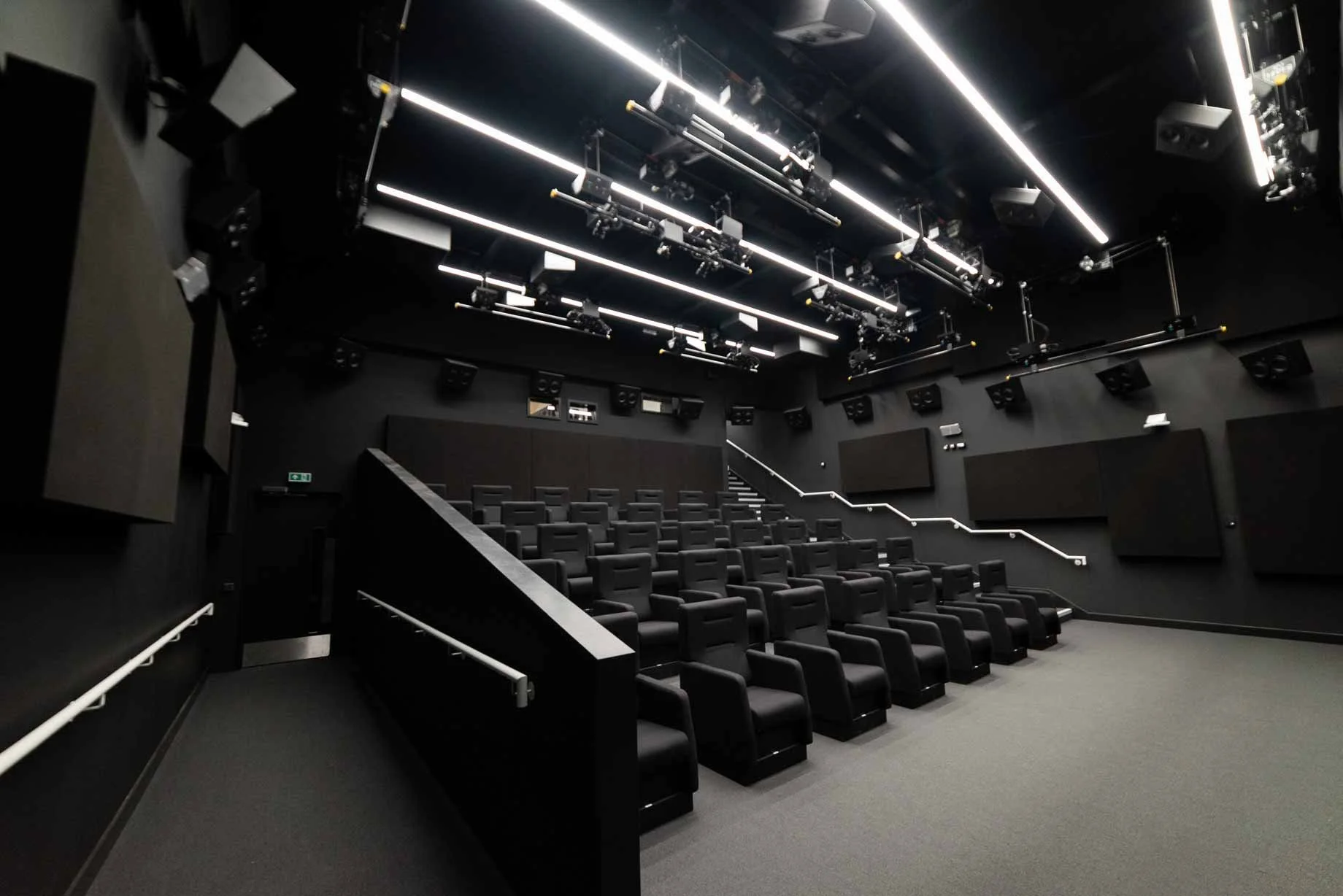
At ISS Acoustic & Interiors, we specialise in acoustic treatment, which focuses on improving how sound behaves within a space rather than stopping it from escaping. By controlling reflections and balancing sound, treatment improves both acoustic performance and overall wellbeing for those using the space.
Acoustic treatment does not stop sound from leaving a room. Soundproofing does not improve how a room sounds internally
That’s why combining both creates a complete acoustic solution, but in many cases, soundproofing is not what people actually need.
Acoustic Treatments could include:
Fabric-wrapped acoustic panels
PET felt panels
Foam panels (light-duty use)
Reduce echo and mid-to-high frequency reflections
Common in offices, meeting rooms, and studios
Acoustic rafts (suspended horizontal panels)
Ceiling baffles (vertical hanging elements)
Acoustic ceiling tiles (drop ceilings)
Freestanding acoustic dividers
Phone booths / pods
Thick, dense absorbers placed in corner
Wood slat panels (acoustic backing)
Printed or bespoke fabric panels
Do You Need Soundproofing or Acoustic Treatment?
It ultimately depends on your goal.
Trying to stop noise from neighbours or adjacent rooms? → Soundproofing
Trying to improve clarity, reduce echo, and create a comfortable environment? → Acoustic treatment
Do you need Soundproofing or Acoustic Treatment
Soundproofing and acoustic treatment are not competing solutions — they serve entirely different purposes. While “soundproofing” is often used as a catch-all term, this is a misconception that needs addressing within the industry.
If your goal is to create a space that feels calmer, clearer, and more comfortable, acoustic treatment is almost always the best place to start.

How ISS Acoustic & Interiors Can Help
At ISS Acoustic & Interiors, we specialise in transforming commercial spaces into calm, focused, and productive environments.
Custom acoustic solutions to meet BB93 standards
We create environments where students learn better and teachers teach more comfortably.
Contact Us today to arrange a Free Consultation or discuss how we can improve the sound of your school.