Healthcare environments are designed to support patient care, recovery and the everyday demands of medical professionals. While considerable attention is given to hygiene, accessibility, lighting and building functionality, one important element can sometimes be overlooked: acoustics.
Hospitals, GP surgeries, dental practices and clinical facilities are often busy environments where conversations, medical equipment, alarms and general movement contribute to high background noise levels.
Poor acoustics can make communication difficult, compromise privacy and create uncomfortable environments for patients and staff. So, how can modern acoustic design help improve these spaces?
The History of Acoustics in UK Healthcare Facilities
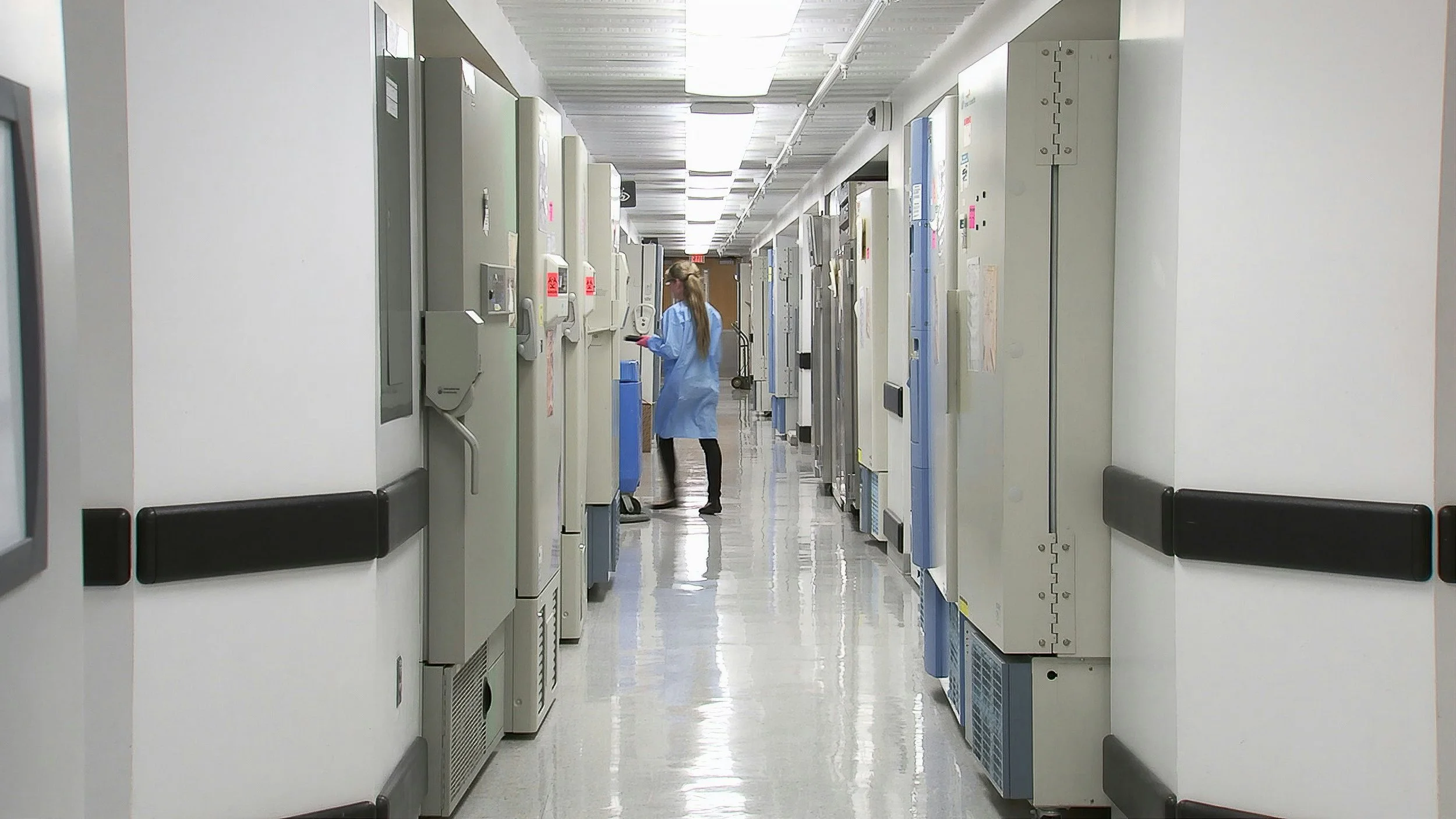
Historically, hospital design has prioritised practical requirements such as hygiene, ventilation, accessibility and clinical functionality. Acoustic performance was often a secondary consideration, with many older healthcare buildings featuring hard flooring, exposed surfaces and large communal spaces that contribute to excessive reverberation.
As research into healthcare environments developed, greater attention was given to the relationship between noise, patient wellbeing and staff working conditions.
A significant milestone was the introduction of NHS guidance, Health Technical Memorandum (HTM) 2045 in 1996, which established acoustic criteria for healthcare buildings. This was subsequently updated, with HTM 08-01 introduced in 2013.
The guidance helped establish a more consistent approach to acoustic design, covering areas such as background noise, sound insulation, reverberation and speech intelligibility.
Today, acoustics are increasingly recognised as an important part of creating effective healthcare environments, influencing everything from the design of new hospitals to the refurbishment of existing clinical facilities.
How Healthcare Facilities Are Improving Their Acoustics
Modern healthcare design considers more than simply reducing noise. It looks at how sound travels through a building, how conversations are understood and how different spaces can be made more comfortable for their occupants.
Acoustic improvements generally focus on several key areas:
Sound absorption: Reducing reverberation and unwanted sound reflections within rooms.
Sound insulation: Limiting sound transmission between adjoining rooms and clinical areas.
Speech intelligibility: Ensuring conversations and important information can be understood clearly.
Privacy: Helping prevent sensitive patient conversations from being overheard.
Noise control: Managing unwanted noise from equipment, ventilation and general building operations.
These principles are increasingly incorporated into hospitals, private healthcare facilities, GP surgeries and specialist clinics.
However, improving existing buildings presents a different challenge. Much of the UK's healthcare estate consists of older facilities that were not originally designed around modern acoustic requirements.
Retrofitting acoustic solutions into these environments provides an opportunity to improve their performance without necessarily undertaking extensive structural alterations.
Is Cost a Barrier? Understanding NHS Funding
One of the biggest challenges facing improvements to healthcare facilities is funding.
The NHS manages an extensive estate of hospitals, clinics and community healthcare buildings, many of which require significant investment to address maintenance issues and modernise ageing infrastructure.
NHS England reported an estimated maintenance backlog of £15.9 billion across its estate in 2024/25. With such significant financial pressures, investment decisions must prioritise essential repairs, patient safety, compliance and the continuity of clinical services.
Consequently, acoustic improvements can sometimes compete with more immediate building requirements.
However, this doesn't mean acoustic design should be considered an unnecessary additional expense.
Poor acoustic environments can affect patient privacy, staff communication, concentration and the overall experience of healthcare facilities.
Incorporating acoustic improvements into planned refurbishments, new developments and wider interior upgrades can provide a more practical and cost-effective approach.
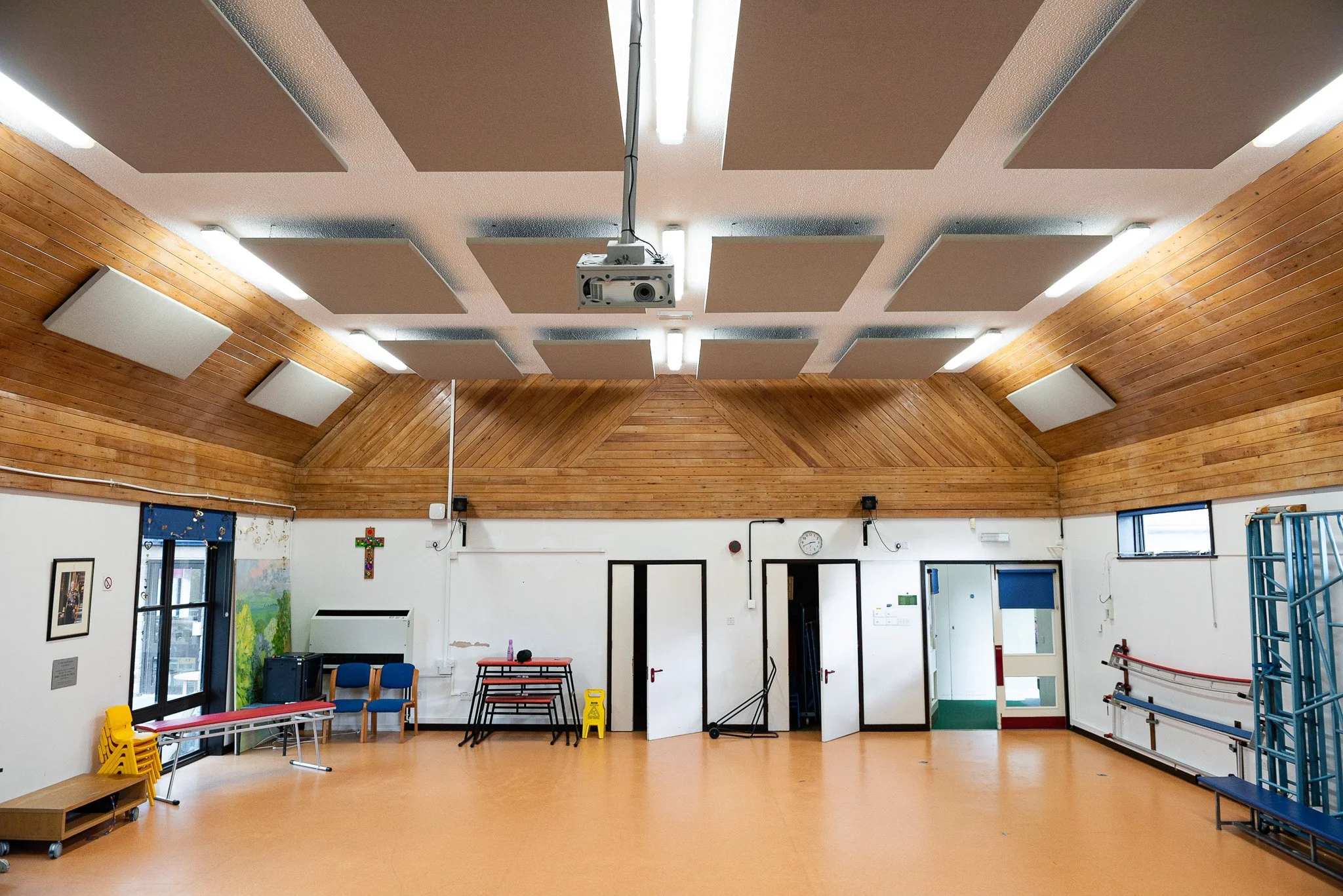
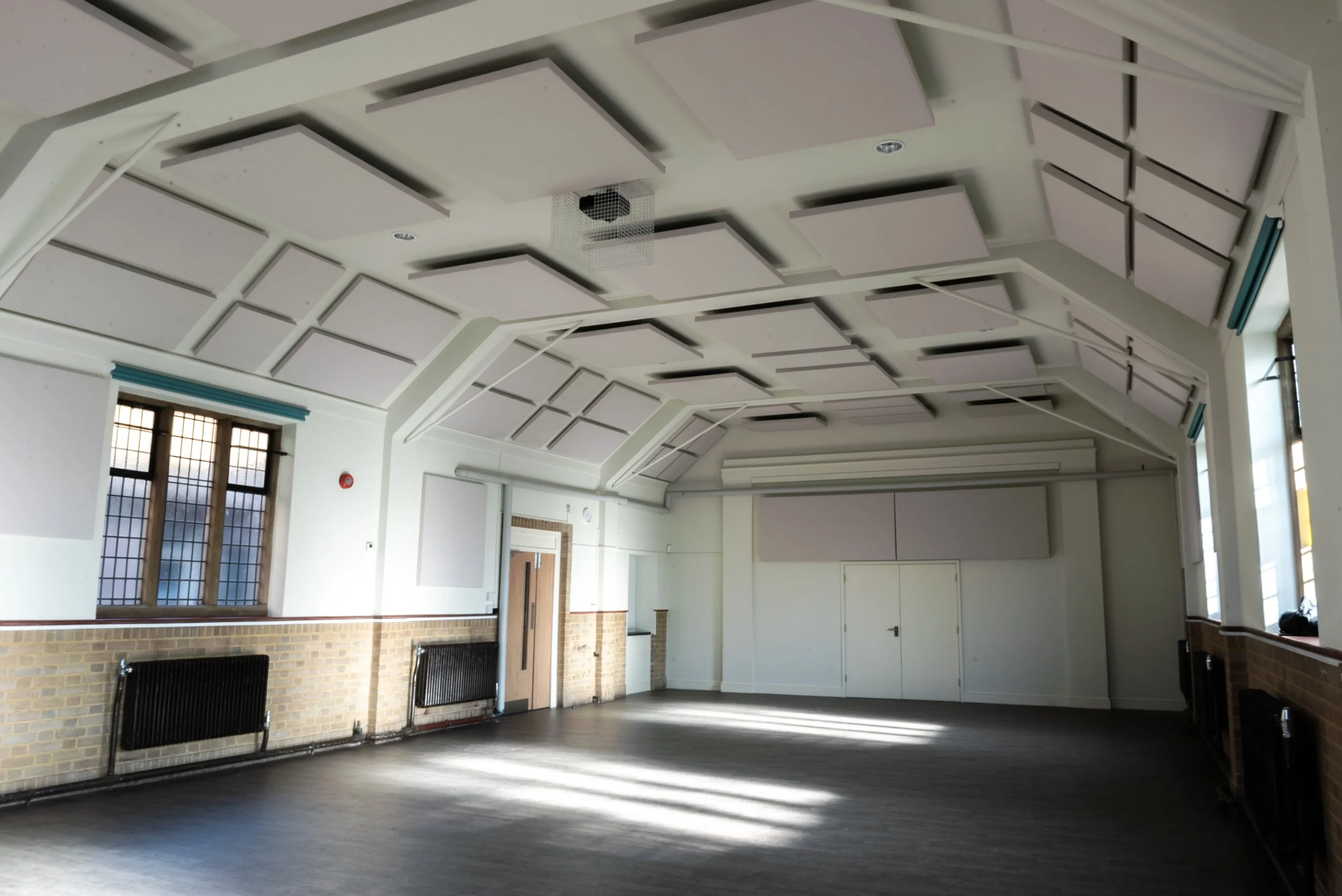
Solutions such as acoustic wall panels, ceiling rafts and suspended baffles can also be introduced incrementally, allowing facilities to address the areas where improvements will have the greatest impact.
Which Healthcare Spaces Need the Most Attention?
Different healthcare environments have different acoustic requirements. Understanding how each space is used is essential when selecting suitable acoustic treatments.
Patient wards and recovery rooms
Patients recovering from illness, surgery or treatment need comfortable environments where they can rest. Background noise from conversations, equipment and general ward activity can make this difficult.
Acoustic ceiling treatments and wall panels can help reduce reverberation, contributing to a calmer environment.
Consultation and examination rooms
Privacy is particularly important in consultation rooms, where patients need to feel comfortable discussing sensitive information.
Effective sound insulation, alongside appropriate acoustic treatment, can help prevent conversations from travelling into adjoining spaces while maintaining clear communication.
Waiting areas and reception spaces
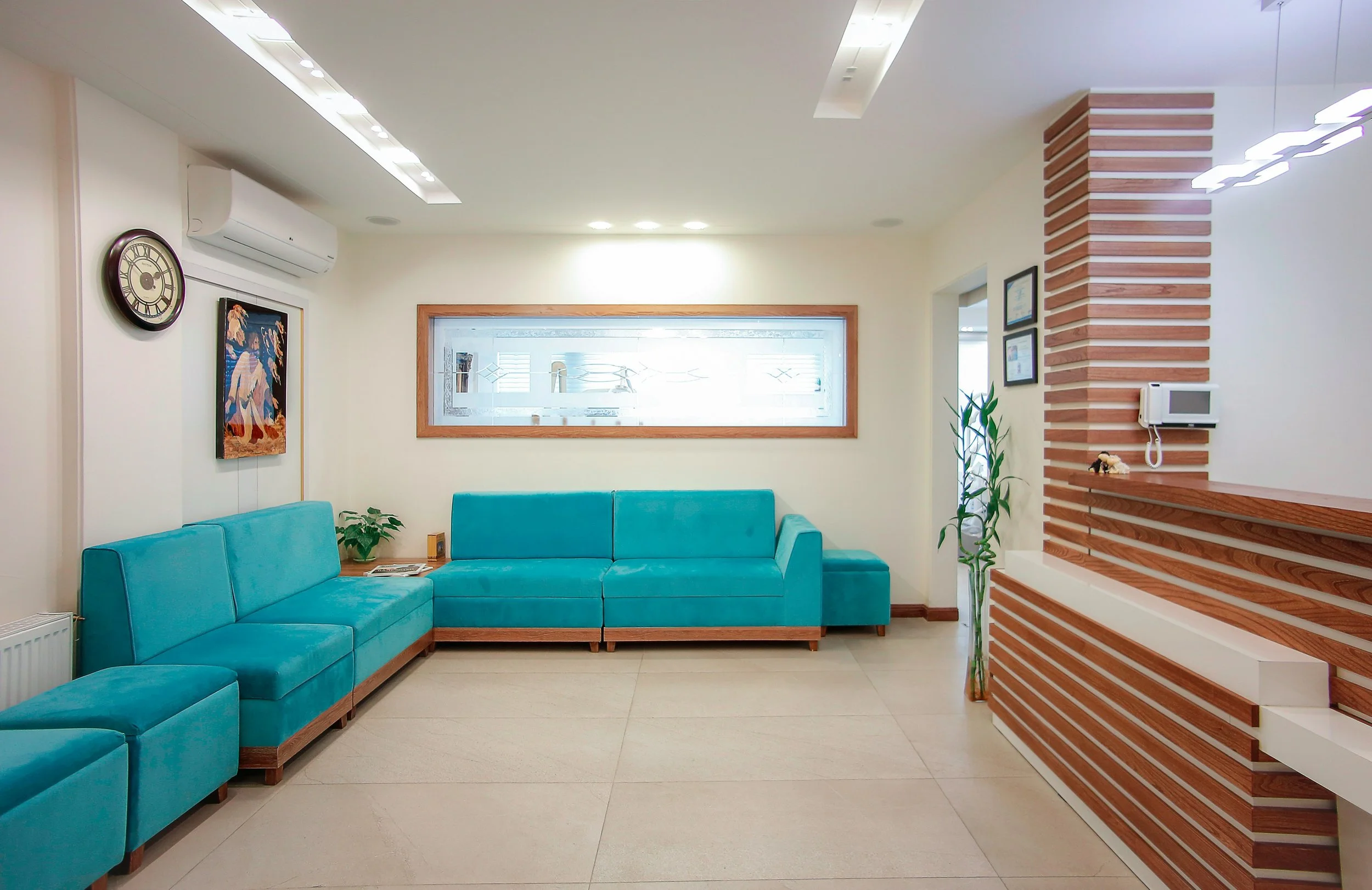
Large waiting areas often feature hard flooring, glazed surfaces and expansive ceilings. These materials can contribute to excessive reverberation, making conversations and announcements difficult to understand.
Acoustic wall panels, rafts and baffles can help manage sound reflections while complementing the interior design.
Treatment rooms and clinical departments
Medical equipment, staff conversations and clinical procedures can create demanding acoustic environments. Appropriate absorption and sound insulation can help improve speech clarity and reduce unnecessary noise transfer.
Staff rooms and administrative offices
Healthcare professionals also need spaces where they can concentrate, communicate and take breaks. Acoustic treatments can help reduce distractions and create more comfortable working environments.
How Can Modern Acoustic Solutions Improve Healthcare Facilities?
Modern acoustic products provide architects, contractors and facilities managers with opportunities to improve sound environments without compromising the appearance or functionality of a space.
Fabric-wrapped acoustic panels
Fabric-wrapped panels are an effective solution for reducing reverberation within healthcare environments. Available in various fabrics, colours and dimensions, they can be incorporated into waiting areas, consultation rooms and patient environments.
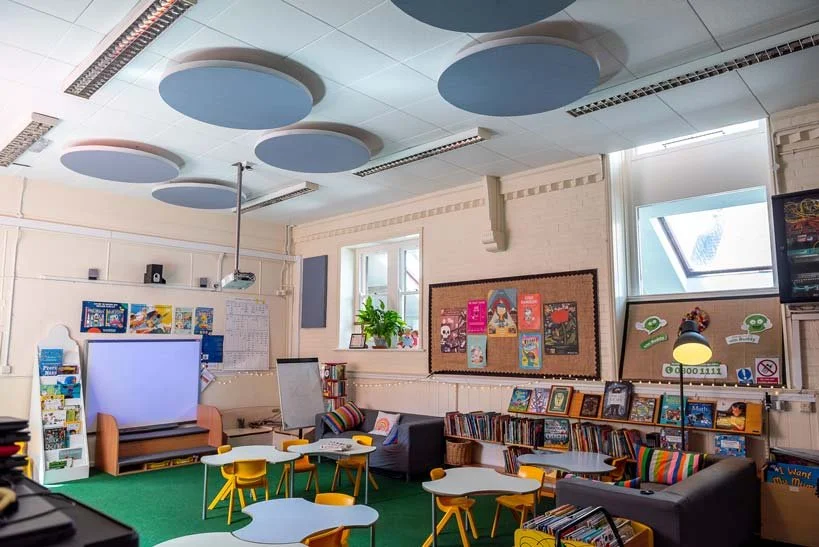
Acoustic ceiling rafts and baffles
Suspended rafts and baffles provide additional sound absorption while making use of otherwise underutilised ceiling space. They are particularly suitable for larger environments such as reception areas, communal spaces and open-plan administrative areas.
PET acoustic panels
PET panels offer a versatile alternative for modern healthcare interiors. Available in different thicknesses, colours and finishes, they provide opportunities to introduce acoustic absorption alongside more design-led installations.
Acoustic screens and partitions
Acoustic screens can help define separate working areas and reduce direct sound transmission between adjacent spaces. They are particularly useful in administrative environments and suitable clinical settings.
Importantly, healthcare environments have additional considerations beyond acoustic performance. Products must be appropriate for their intended location, taking into account cleaning requirements, infection prevention, fire performance, durability and maintenance.
Not every acoustic material is suitable for every clinical environment, making careful product selection essential.
Who Is Most Affected by Poor Acoustics?
The acoustic environment affects almost everyone using a healthcare facility, but certain groups can be particularly vulnerable.
Patients: Excessive noise can make resting and sleeping more difficult, adding to the stress of an already challenging experience.
Older people and those with hearing difficulties: High reverberation makes it harder to distinguish speech from background noise, potentially creating difficulties when communicating with healthcare professionals.
Children and vulnerable patients: Busy and unpredictable sound environments can contribute to discomfort and anxiety, particularly for individuals with sensory sensitivities.
Healthcare professionals: Doctors, nurses and administrative staff work in these environments every day. Persistent background noise can make communication more difficult, increase distractions and contribute to workplace fatigue.
Effective acoustic design should therefore consider both the patient experience and the needs of the people delivering care.
How Can ISS Acoustic & Interiors Help?
At ISS Acoustic & Interiors, we understand that successful acoustic design is about more than simply installing sound-absorbing materials. It's about understanding how a space is used and identifying solutions that improve its performance without compromising its appearance or functionality.
Working alongside architects, contractors, interior designers and project teams, we provide a range of acoustic products and installation services suitable for healthcare, commercial and public-sector environments.
Our capabilities include:
Bespoke fabric-wrapped acoustic panels: Manufactured in-house at our Somerset workshop, available in a range of fabrics, finishes, dimensions and configurations.
PET acoustic panels: Versatile solutions for walls and other suitable interior applications.
Acoustic ceiling systems: Including rafts, baffles and suspended acoustic treatments.
Acoustic screens: Solutions for separating workspaces and managing sound within suitable environments.
Specialist acoustic products: Working with established manufacturers and suppliers to source solutions for more specific requirements.
National installation services: Supporting projects across the UK alongside contractors and project teams.
As the UK continues to invest in improving and modernising its healthcare estate, acoustics should remain an important consideration within both new developments and existing refurbishments.
From supporting patient privacy and communication to creating more comfortable environments for recovery and everyday clinical work, effective acoustic design can make a meaningful contribution to the overall experience of healthcare facilities.
Good healthcare design should consider what we see, how we move and, importantly, what we hear.

Looking to improve acoustics within a healthcare or clinical environment?
At ISS Acoustic & Interiors, we specialise in transforming spaces into calmer, more comfortable and productive environments through considered acoustic design.
Our acoustic solutions include:
ISS Acoustic & Interiors provides bespoke acoustic manufacturing, specialist product supply and national installation services. Contact our team to discuss your project and explore the right acoustic solutions for your facility.