We often associate stress with our emotional circumstances, responsibilities, relationships and lifestyles. Yet one factor we don't always consider is the environment around us. The spaces we occupy every day can have a significant influence on how we feel, think and interact with the world. And unlike many of life's external pressures, our physical surroundings are something we have a degree of control over.
With the rise of remote working and shared co-working spaces, traditional office environments are facing a new challenge. But have we ever really considered why so many people enjoy working from home?
Of course, there are obvious benefits. Less time commuting, greater flexibility around family life and a better balance between professional and personal commitments. But there's another aspect worth considering: comfort and control.
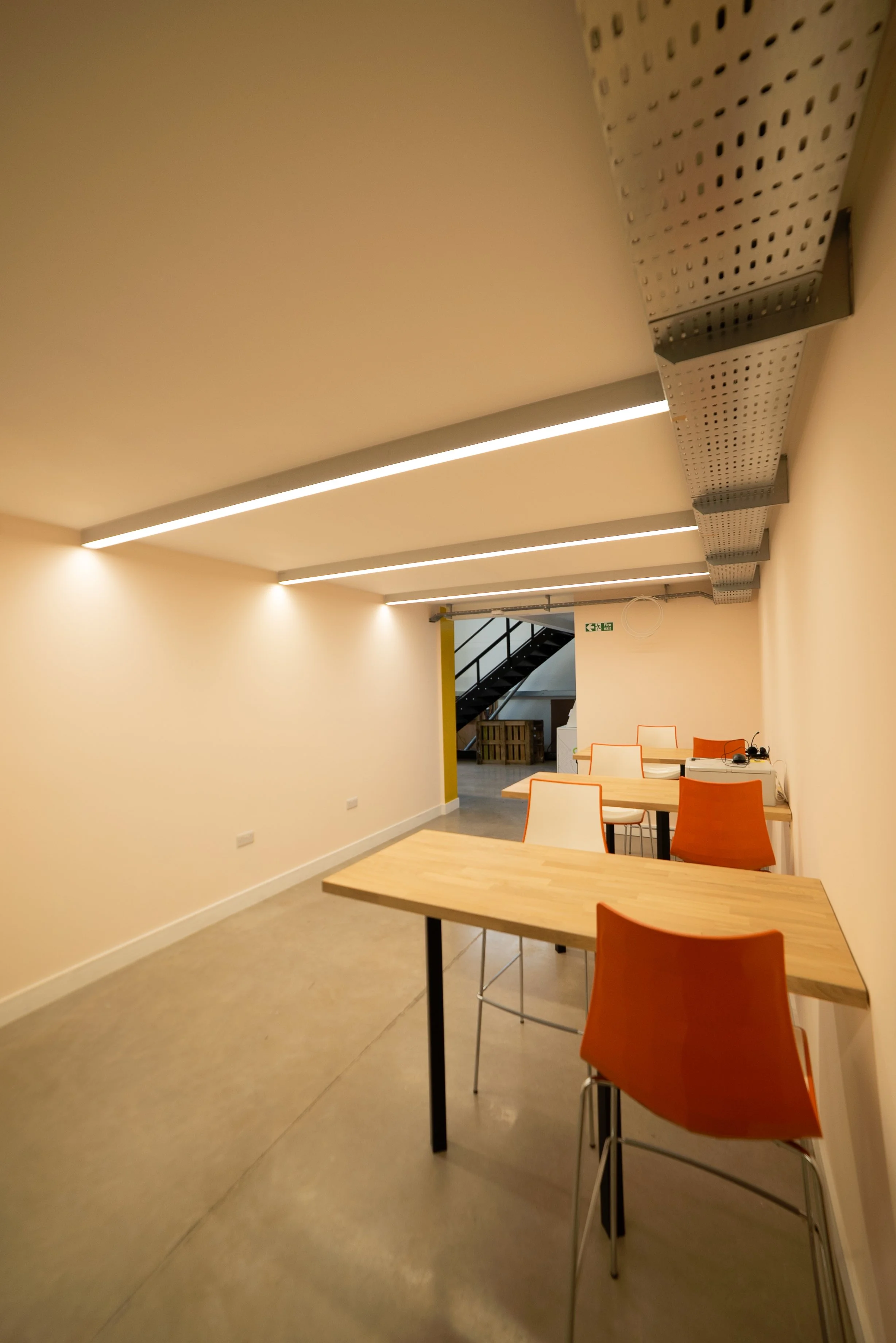
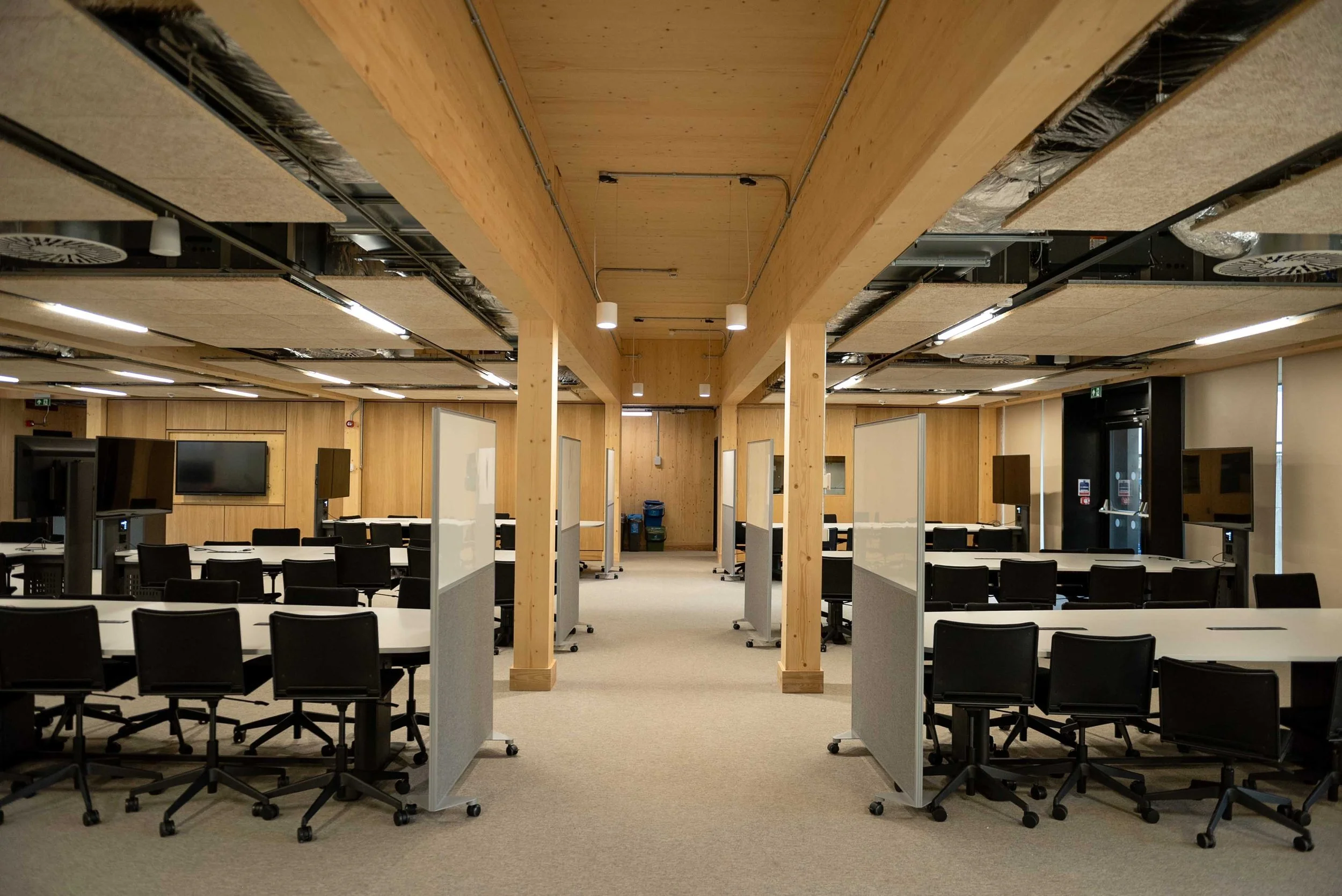
As an acoustics and interiors company, we believe this is an important part of the conversation. The environments we work in should support us, not create additional pressures throughout the day.
Over the last decade, workplace design has evolved considerably. Modern offices increasingly incorporate considered layouts, natural materials, biophilic design, improved acoustics and dedicated spaces for different activities. These choices aren't simply about creating attractive interiors; they're about making workplaces more comfortable, functional and supportive of the people using them.
However, many existing workplaces still have opportunities to improve. The challenge isn't necessarily that these offices look outdated or unattractive. It's that their design may not fully consider the impact the environment has on the people working within it.
And there's a business case for getting this right. A workplace that supports employee comfort, concentration and wellbeing can contribute to a more positive working experience, better collaboration and improved productivity. Investing in the environment isn't just investing in the building; it's investing in the people who make the business work.
The workplace and the pressures we experience
The scale of workplace stress is difficult to ignore. Mental Health UK's 2026 Burnout Report found that 91% of UK adults experienced high or extreme levels of pressure or stress during the past year, with one in five workers taking time off due to poor mental health caused by stress.
Workplace pressures remain a significant contributor, with 42% of workers identifying high or increased workloads as a source of stress. The report also highlights the importance of the wider working experience, with 31% identifying feelings of isolation at work as another contributing factor.
Of course, many of these pressures are rooted in workloads, management and organisational culture. Better interior design won't resolve these issues on its own. However, it's important not to overlook the physical environment in which people experience them.
Workplaces can introduce a combination of environmental pressures: constant background noise, interruptions, visual distractions, uncomfortable lighting and a lack of privacy. Individually, these may seem like relatively minor inconveniences. But when experienced repeatedly throughout the working day, they can add unnecessary strain.
Traditional workplaces haven't always been designed with employee wellbeing in mind. Historically, office design has often prioritised practicality, capacity and operational costs, with less consideration given to how the environment influences the people working within it. This isn't necessarily the fault of employers; in many cases, the wider benefits of thoughtful design simply haven't been made clear.
When we consider how much of our lives we spend indoors, this becomes an even more important conversation. From our daily commute and time spent in the office to the hours we spend at home, our surroundings occupy a significant proportion of our everyday lives. Improving these spaces isn't just a small enhancement to the working day. Over weeks, months and years, even relatively modest improvements can make a meaningful difference to our everyday experience.
So, what can businesses do to create workplaces that better support the people using them?
Acoustic comfort
Acoustics are an often-overlooked aspect of workplace design, despite having a considerable influence on our everyday working experience. Excessive background noise and reverberation can increase cognitive load, make conversations harder to follow and require greater concentration to process information. Over time, this additional listening effort can contribute to mental fatigue, frustration and reduced comfort throughout the working day.
With the increasing popularity of open-plan workplaces, acoustic considerations have become even more important. While open-plan offices offer many benefits, encouraging collaboration, communication and flexibility, they can also introduce challenges when it comes to controlling noise. Conversations, telephone calls and general office activity can travel across large spaces, creating an environment where it becomes difficult to concentrate or find moments of quiet.
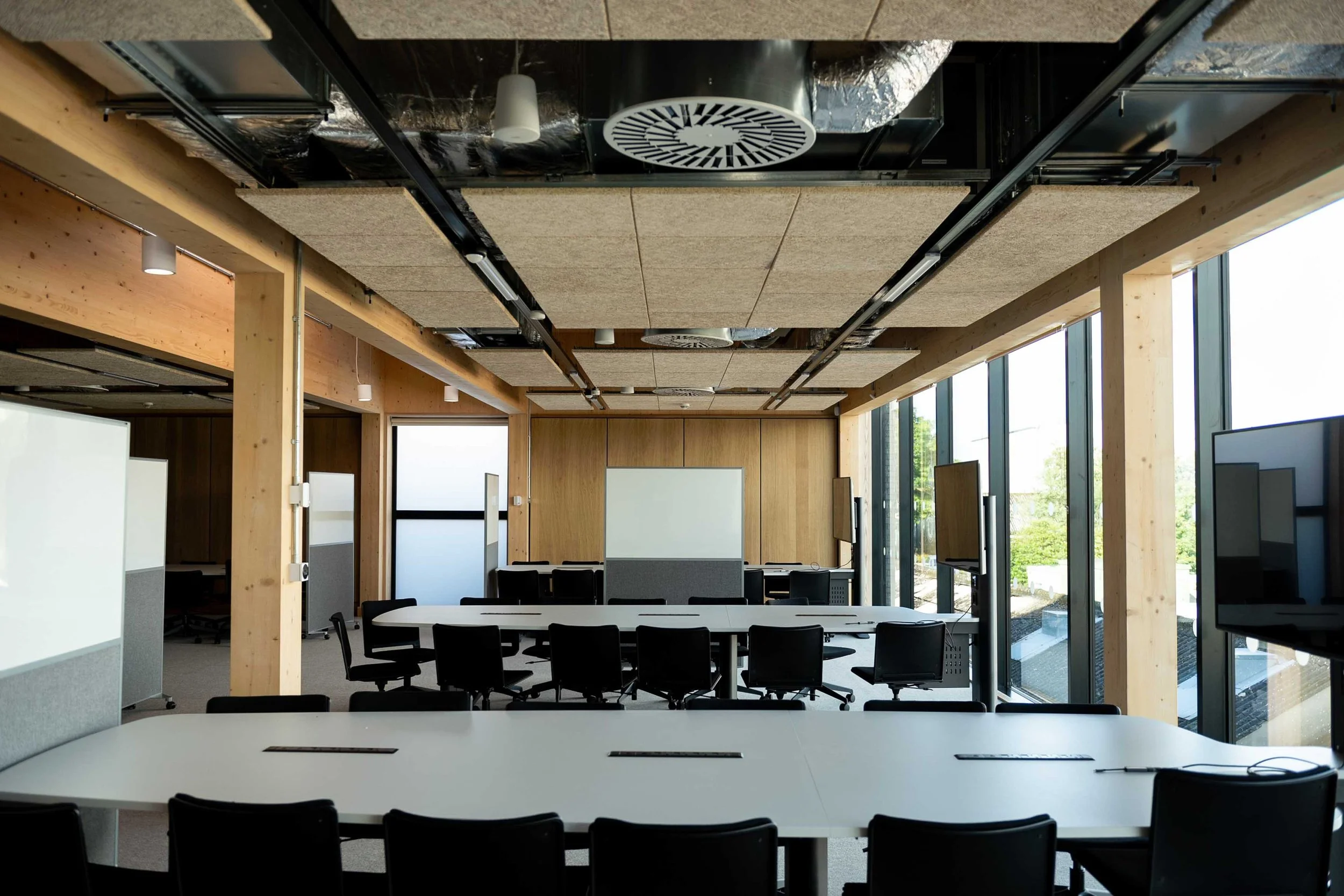
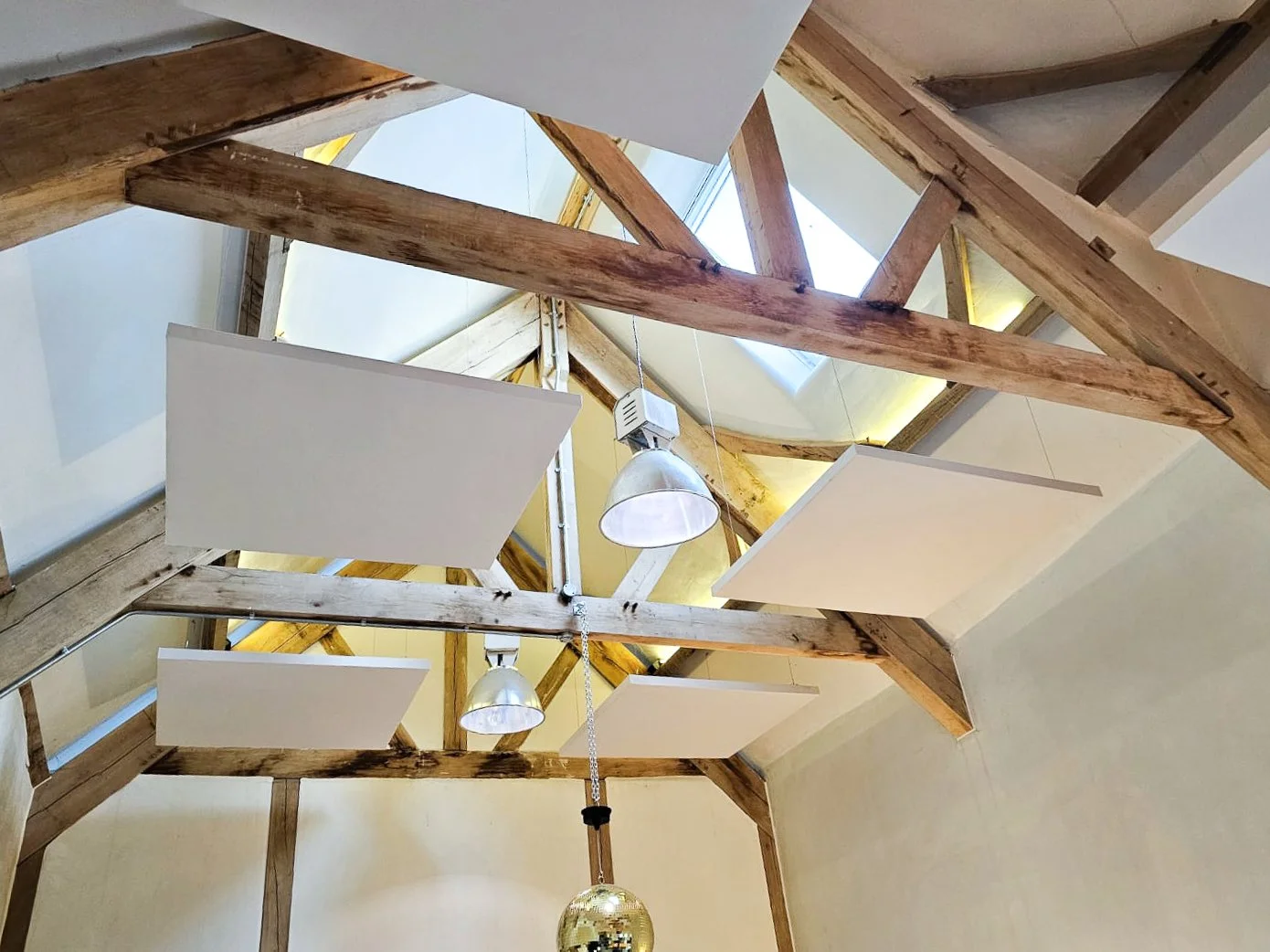
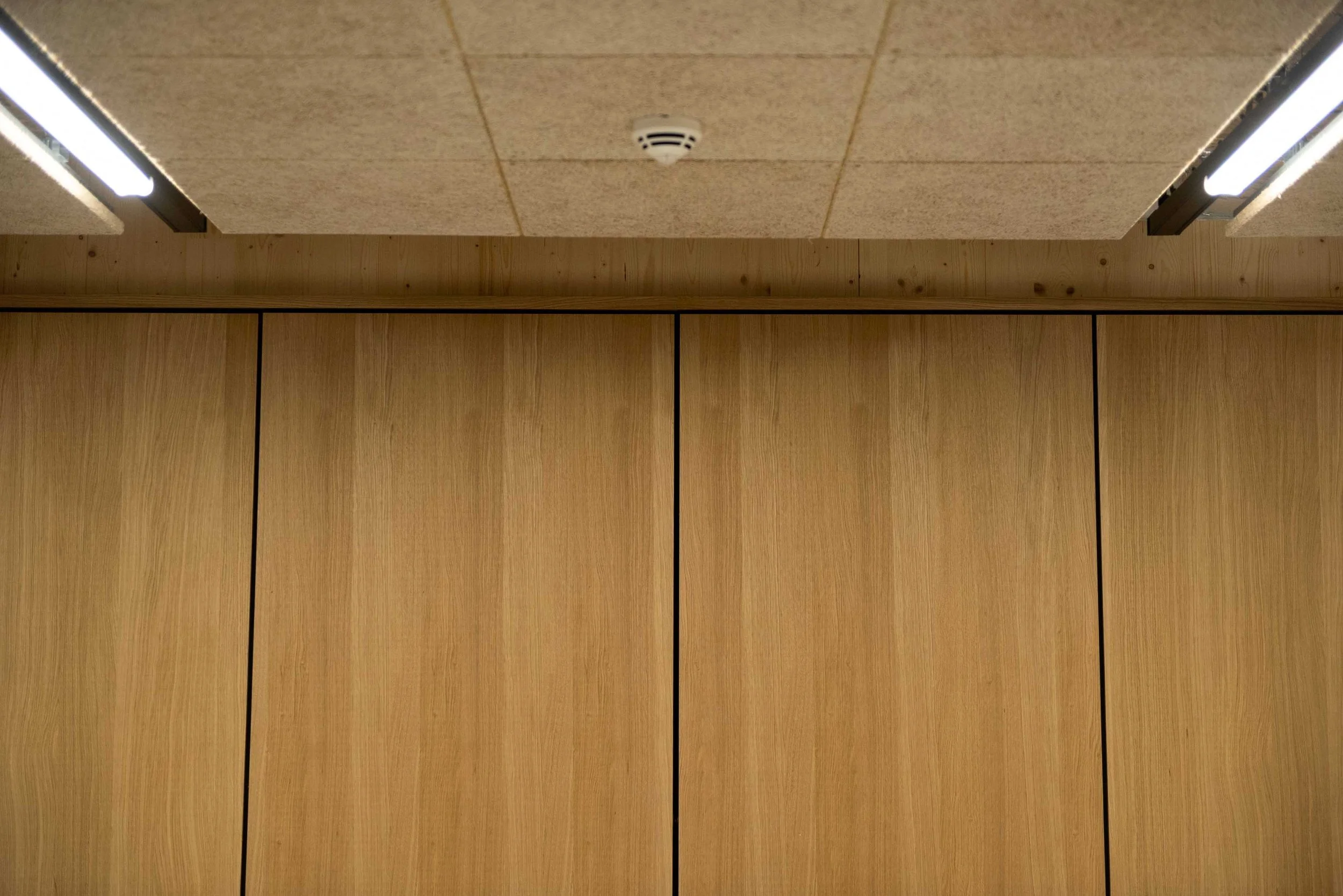
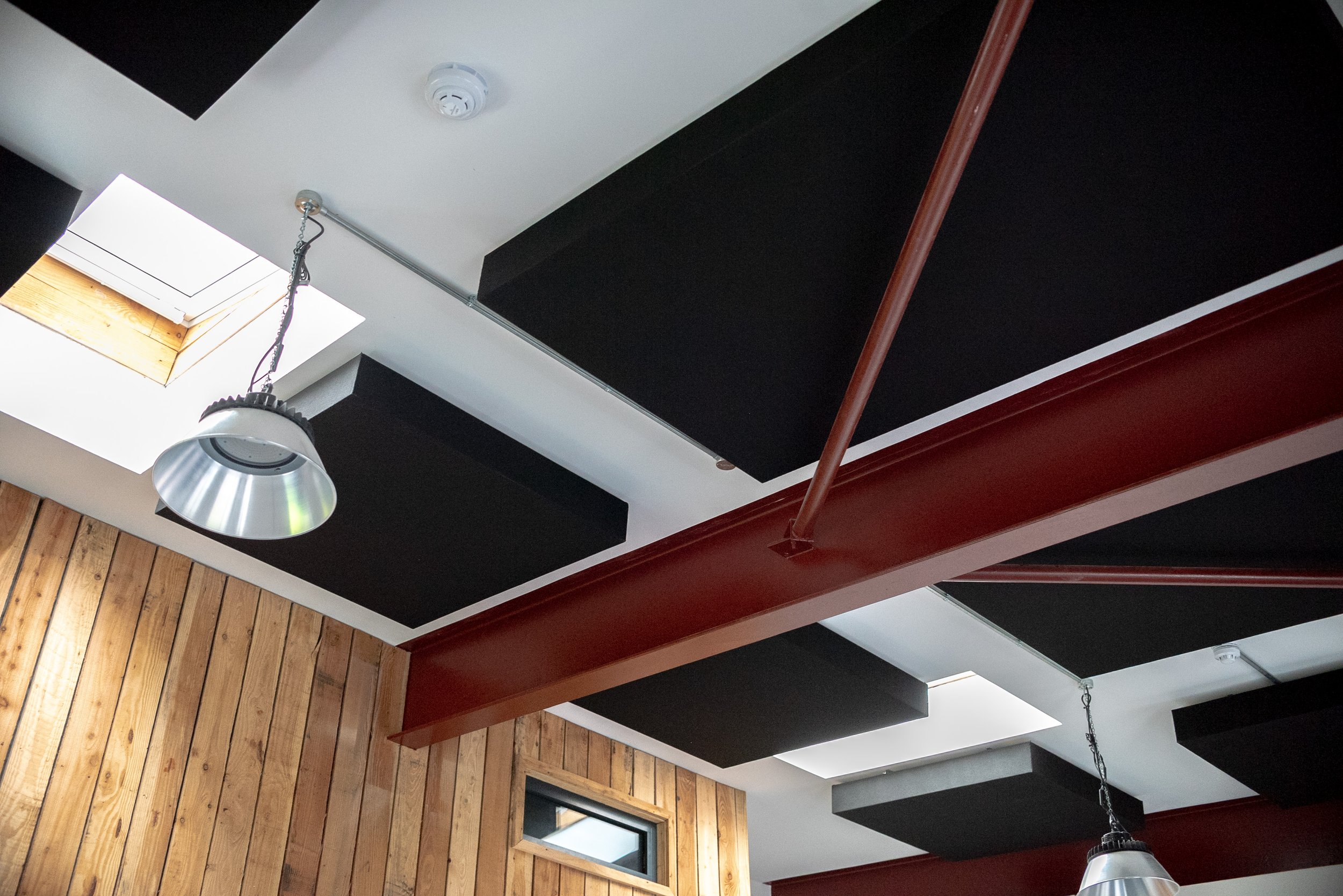
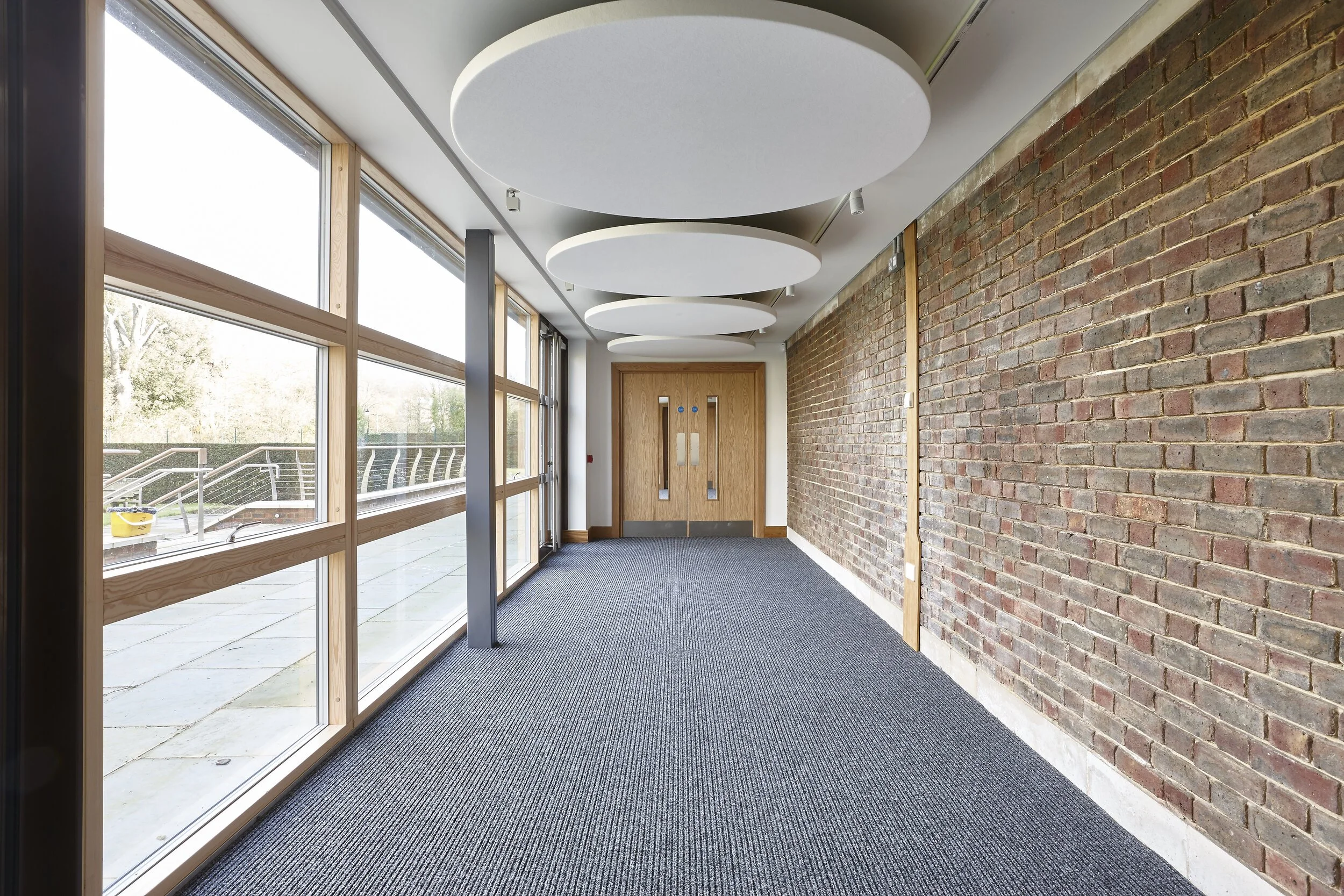
The solution isn't necessarily to remove the open-plan concept, but to balance it with effective acoustic design. Incorporating sound-absorbing materials across walls and ceilings, alongside dedicated quieter areas, can help control reverberation and create a more comfortable acoustic environment without compromising the benefits of an open workspace.
ISS Acoustic & Interiors specialises in acoustic solutions across a range of industries, manufacturing and installing acoustic panels and systems designed to reduce unwanted reverberation and improve the acoustic comfort of interior spaces.
From offices and educational environments to commercial and public buildings, we help create spaces that sound as good as they look.
To explore the acoustic solutions available and discover which applications could work within your environment, explore our acoustic solutions.
Lighting
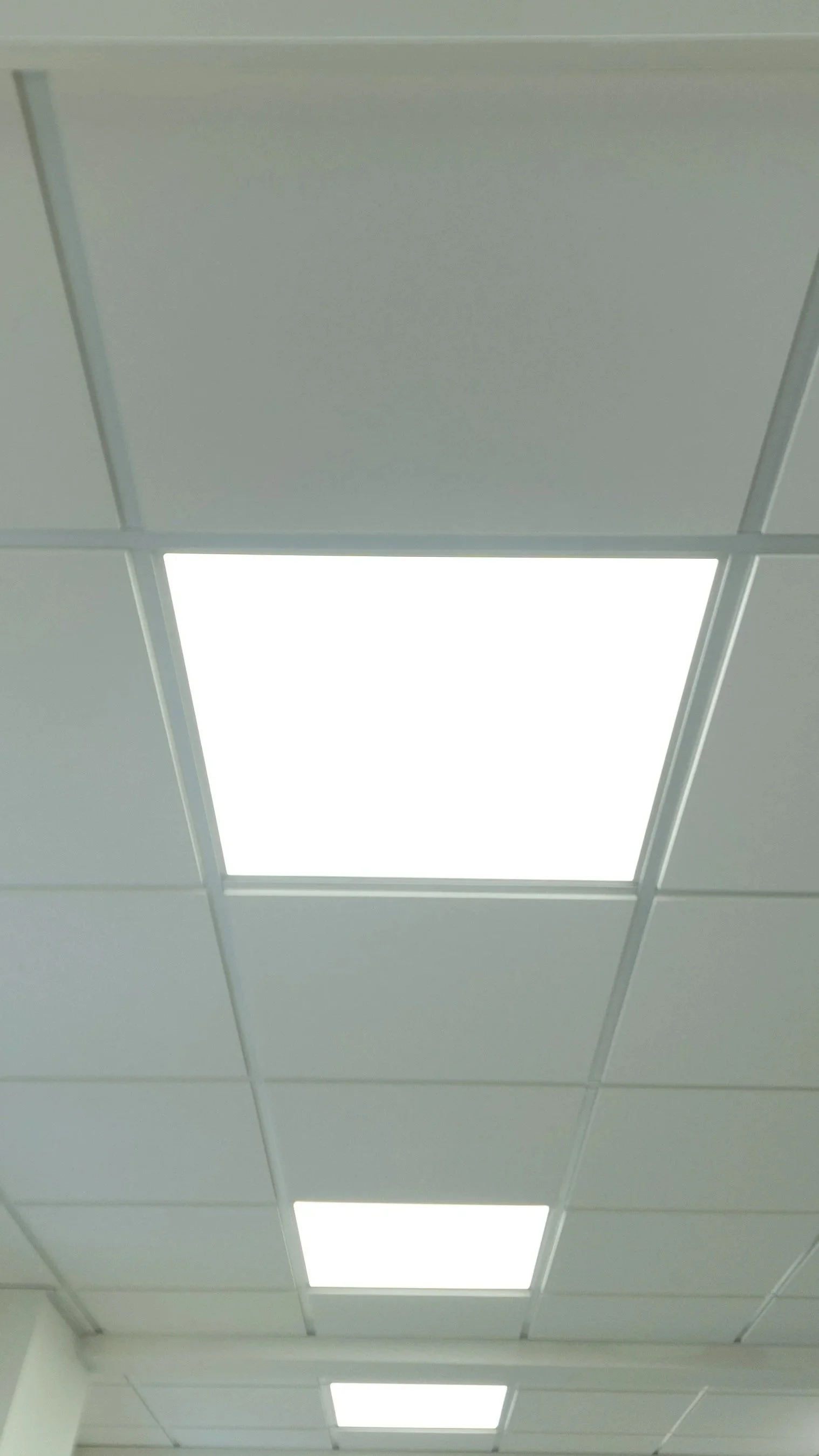
Lighting is something we often take for granted in the workplace, yet it plays an important role in how comfortable and productive we feel throughout the day. Poorly considered lighting can contribute to eye strain, headaches, fatigue and difficulty concentrating, particularly for those spending long hours working at computer screens.
One of the most important considerations in office design is making the best use of natural daylight. Access to daylight can support our natural sleep-wake rhythms, contribute to a more pleasant working environment and help reduce our reliance on artificial lighting. Where natural light is limited, the choice and positioning of artificial lighting becomes even more important.
A well-designed lighting scheme should consider more than simply illuminating a room. Combining ambient lighting for general visibility, task lighting for focused activities and accent lighting to enhance the space can create a more balanced and comfortable environment.
Giving employees some control over their immediate lighting conditions can also make a difference. Adjustable task lighting, appropriate positioning of workstations and measures to reduce glare can help create a more comfortable visual environment.
Ultimately, workplace lighting shouldn't simply be about meeting the basic requirements of a building. It should be about creating an environment that supports the people using it, helping them remain comfortable, focused and productive throughout the working day.
Spatial design
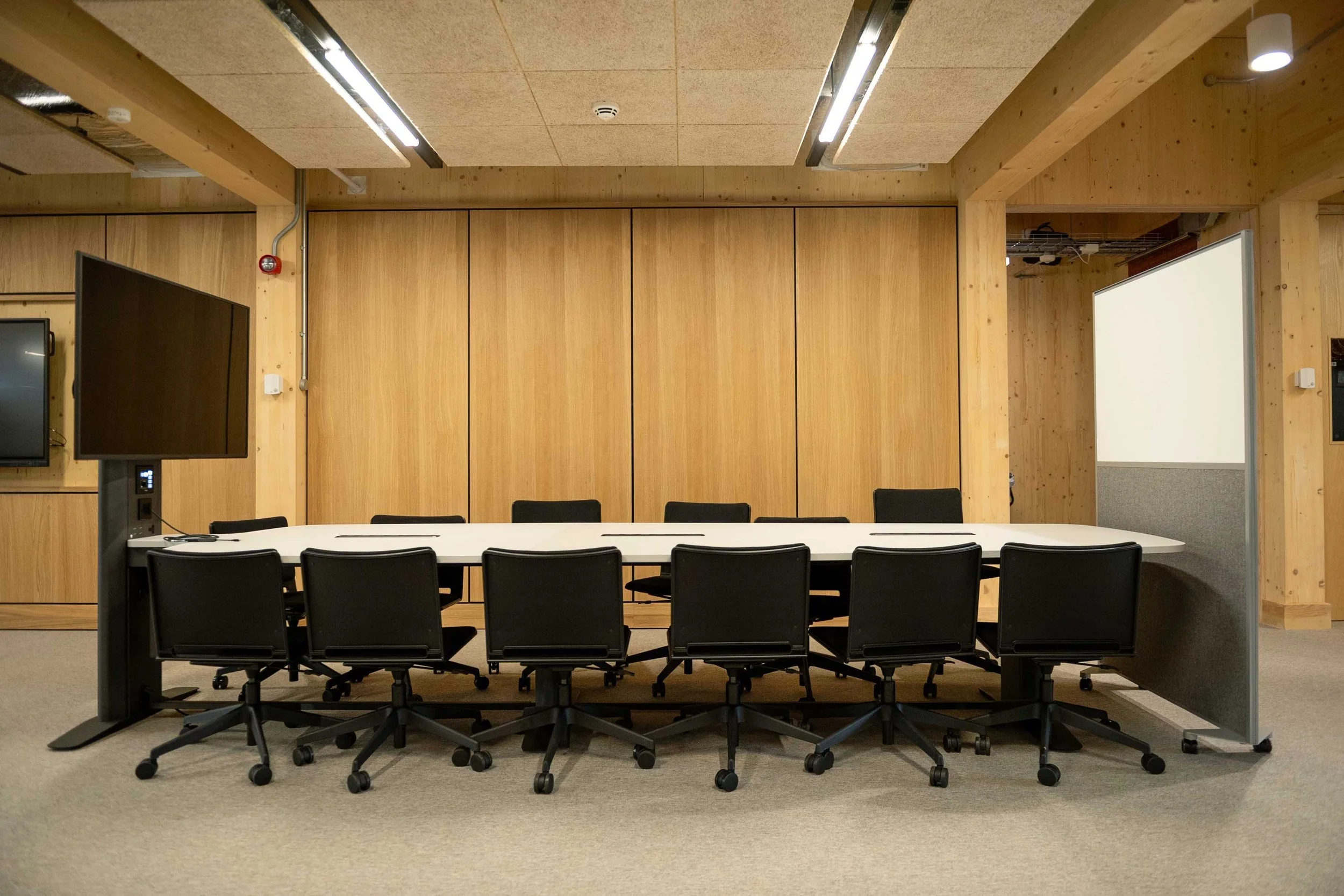
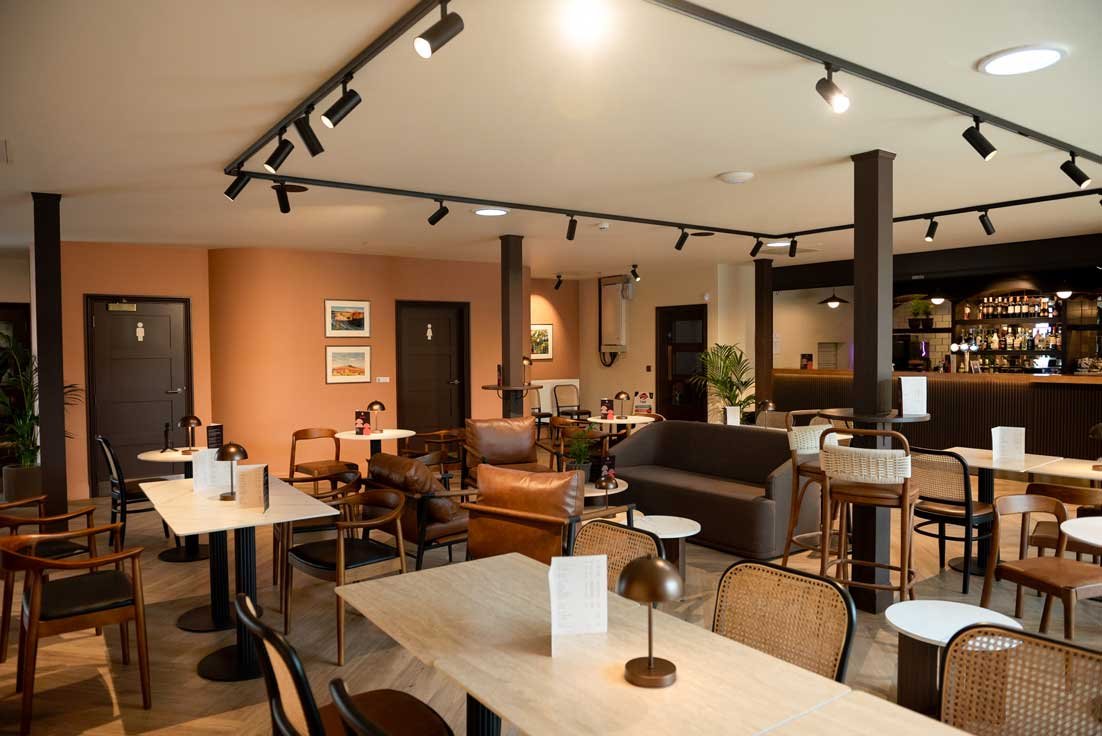
Spatial design is an overarching element of workplace design, bringing together the layout, functionality and atmosphere of an environment. It's about ensuring that every part of an office has a purpose, while providing a balanced range of spaces to accommodate different activities and working styles.
Traditionally, many workplaces have been designed around a relatively simple concept: providing employees with a desk, a chair and somewhere to complete their daily tasks. While this approach serves a basic functional purpose, it doesn't necessarily consider the different demands placed on employees throughout the working day.
For offices that haven't evolved alongside modern workplace design, rows of desks can still dominate the available floor space, with limited consideration for quieter working areas, informal conversations, collaborative spaces or somewhere to step away from the desk. This can create an environment where employees spend much of their day in the same surroundings, exposed to the same distractions, noise and visual stimulation.
The problem isn't necessarily the desk-based setup itself, but the lack of variety around it. Meetings, collaborative discussions, focused individual work and informal conversations all require different surroundings. Without these options, employees can find it harder to concentrate, collaborate comfortably or take meaningful breaks away from their workstations.
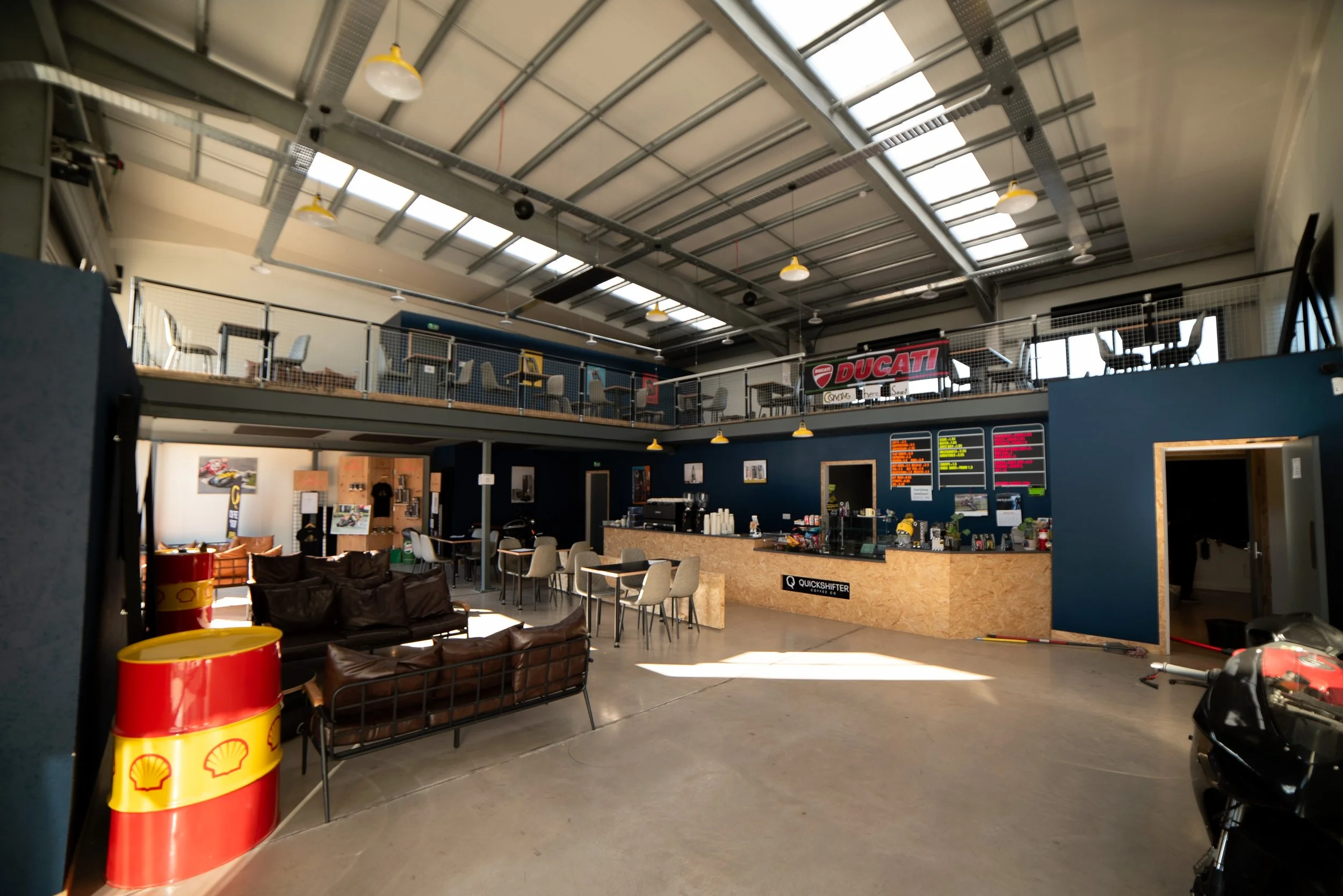
Modern workplace design increasingly recognises the importance of providing this flexibility. Introducing dedicated meeting areas, quieter working zones, breakout spaces and informal collaboration areas can help make better use of existing floor space while creating a more balanced working environment.
Ultimately, spatial design shouldn't simply be about fitting as many desks as possible into an office. It's about making the most of the space available and creating an environment that supports the people occupying it.
Biophilic design
Biophilia is a concept centred around our natural connection with the environment, often described as the human need to connect with nature and other forms of life. Biophilic design takes this idea and incorporates elements of the natural world into the spaces we occupy, helping create environments that feel more balanced, comfortable and connected to nature.
With many of us spending the majority of our working days indoors, often surrounded by artificial lighting, manufactured materials and technology, our connection with the natural environment can become limited. Biophilic design aims to bridge this gap, bringing elements of the outdoors into our everyday working environments.
Research suggests that incorporating natural elements into workplaces can have a positive influence on employee wellbeing, concentration and productivity. A study by the University of Exeter, for example, found that introducing plants into previously sparse office environments was associated with a 15% increase in productivity. Similarly, research by Interface found that employees working in offices containing natural elements reported higher levels of wellbeing and creativity.
There are several ways businesses can introduce biophilic design into their existing workplaces. Introducing greenery through indoor plants and living walls, maximising natural daylight, incorporating natural materials such as timber and stone, and using organic shapes and nature-inspired colours can all help create a more welcoming environment.
It's not necessarily about undertaking a complete office refurbishment or filling every available space with plants. Even relatively small design changes can help establish a stronger connection with nature and improve the overall experience of the workplace.
Ultimately, biophilic design is about recognising that our relationship with the natural world doesn't stop when we enter a building. By bringing elements of nature into our working environments, we can create spaces that feel more comfortable, inviting and supportive of the people who use them.
National Stress Awareness Day is an opportunity to reflect on the different pressures we experience in everyday life, and the ways we can better support our mental wellbeing. While workplace stress is often associated with workloads, deadlines and the demands of our roles, it's also worth considering the environment in which we experience these pressures.
We spend a significant proportion of our lives at work, yet the impact of our surroundings on how we feel is something that's easy to overlook. From constant background noise and uncomfortable lighting to limited space and a lack of places to step away from our desks, these everyday environmental factors can add unnecessary strain to an already demanding working day.
The good news is that these are areas where considered design choices can make a difference. Improving acoustic comfort, making better use of natural light, creating spaces for different activities and introducing elements of nature can all help create more comfortable, balanced working environments. These changes won't eliminate workplace stress, nor replace the need to address wider organisational pressures, but they can help remove some of the environmental stressors that people face every day.
Perhaps there's also something businesses can learn from the popularity of working from home. While remote working brings its own challenges, including isolation, blurred work-life boundaries and difficulty switching off, many people value the greater control they have over their immediate surroundings.
It's not necessarily about replicating the home-working experience within an office, but recognising the importance of comfort, flexibility and choice. Providing different environments for different activities, giving employees some control over their surroundings and creating opportunities for collaboration and social interaction can all contribute to a more supportive workplace.
Ultimately, we shouldn't just design workplaces around the work being done. We should design them around the people doing it.

Could your workplace benefit from better acoustics?
At ISS Acoustic & Interiors, we specialise in transforming spaces into calmer, more comfortable and productive environments through considered acoustic design.
Our acoustic solutions include:
Whether you're looking to improve speech clarity, reduce unwanted reverberation or create a more comfortable working environment, we can help you find the right solution.
Better acoustics mean more than just a quieter space. They're an investment in the comfort, concentration and wellbeing of the people who use it.